Working hours

I - V 9 a.m. - 8 p.m.
I - V 2 p.m. - 3 p.m. concilium of doctors
VI - VII 9 a.m. - 5 p.m.

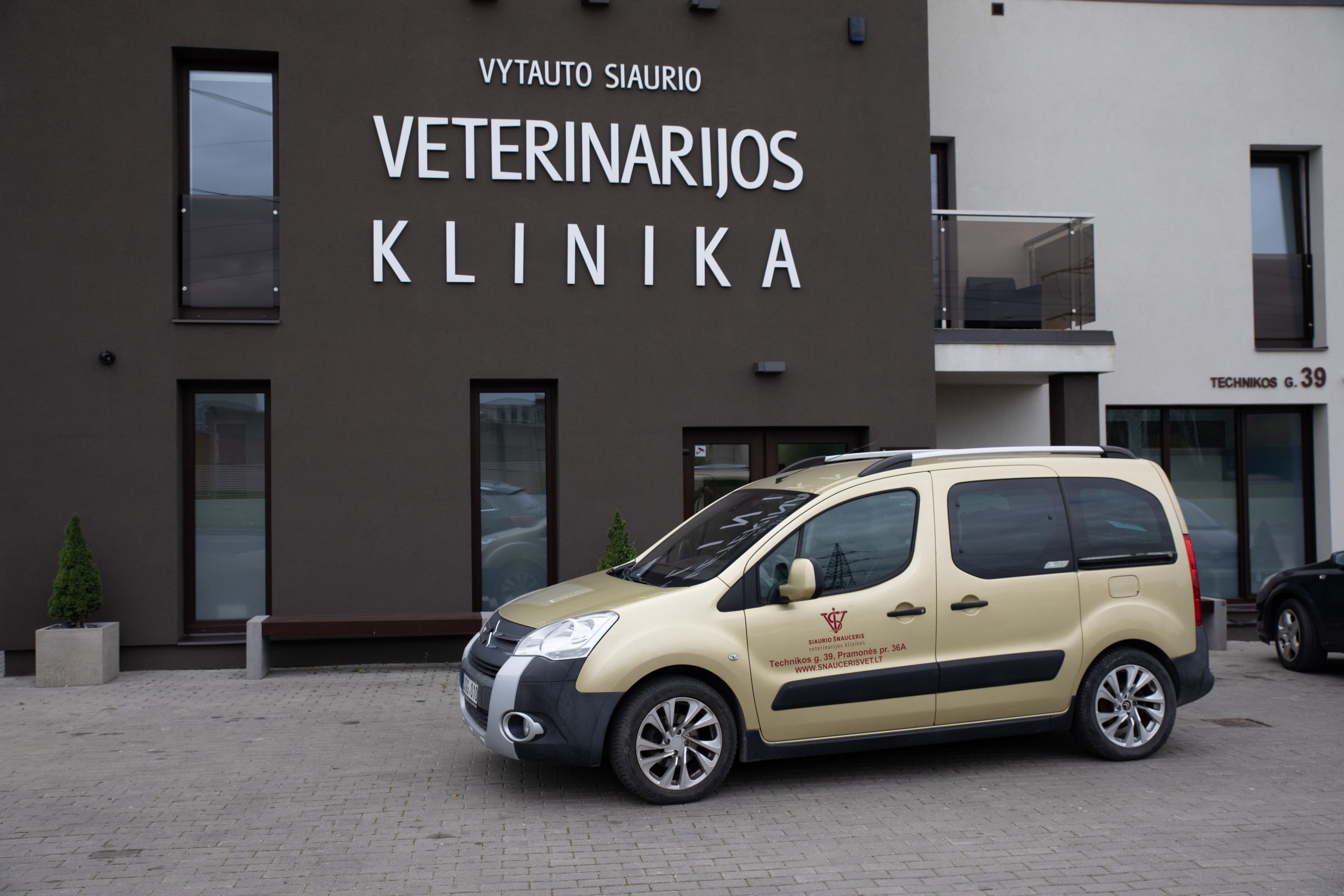
You will find us in Kaunas, LITHUANIA:

Pramonės av. 36a
Technikos st. 39

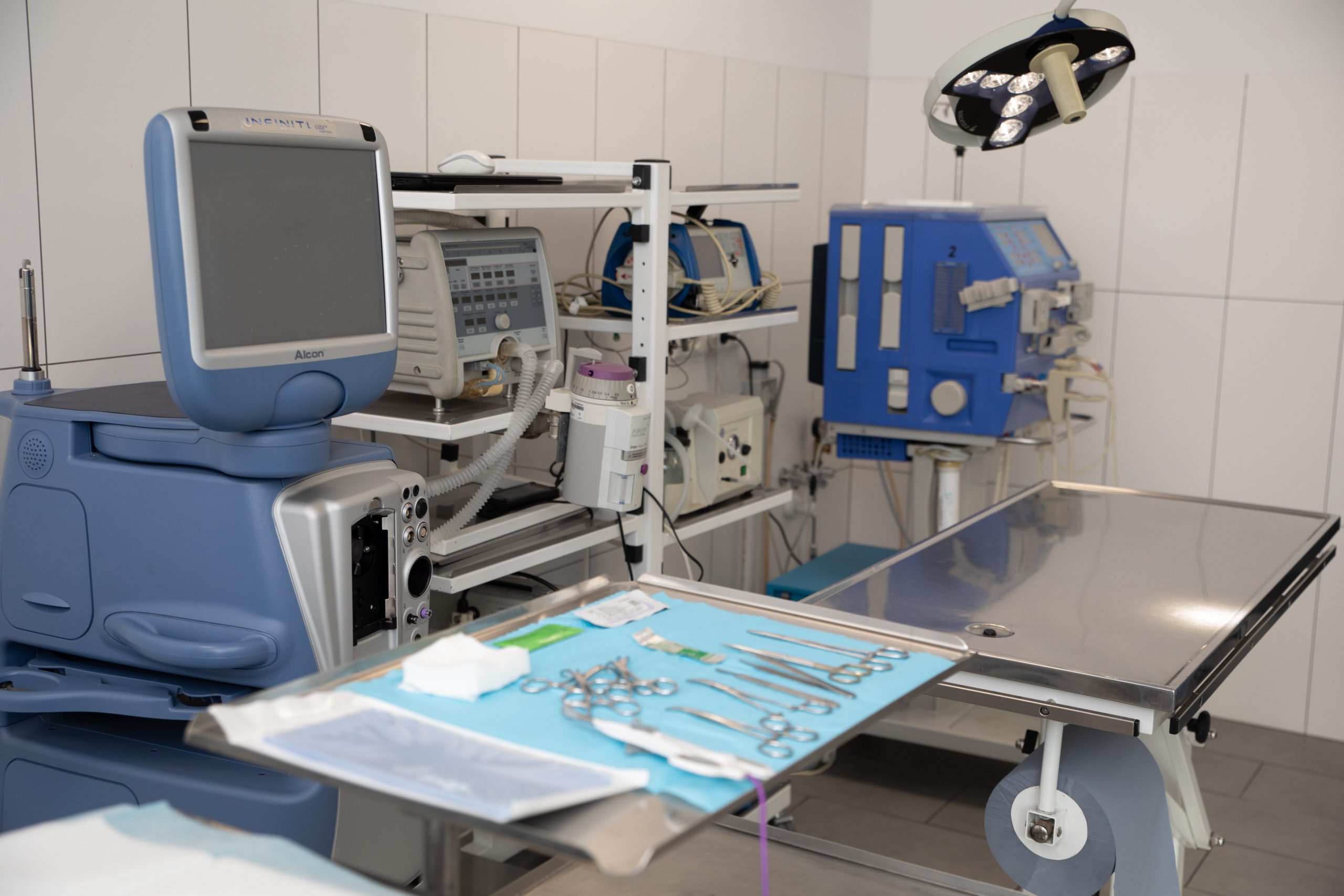
Siaurio Šnauceris is one of the pioneers of veterinary dialysis in Lithuania. Haemodialysis is renal replacement therapy that is used to treat acute kidney injury or poisoning by toxic ingestion. One of the most common causes of acute renal insufficiency is a complication of tick-borne diseases (babesiosis, etc.). Babesia parasites destroy red blood cells, the remnants of which clog the renal tubules. The main function of the kidneys is to remove unnecessary or even harmful substances from the blood. Damaged kidneys are unable to function normally, causing toxic substances to accumulate in the body. When medicinal treatment is ineffective, the only option to save your pet is haemodialysis.

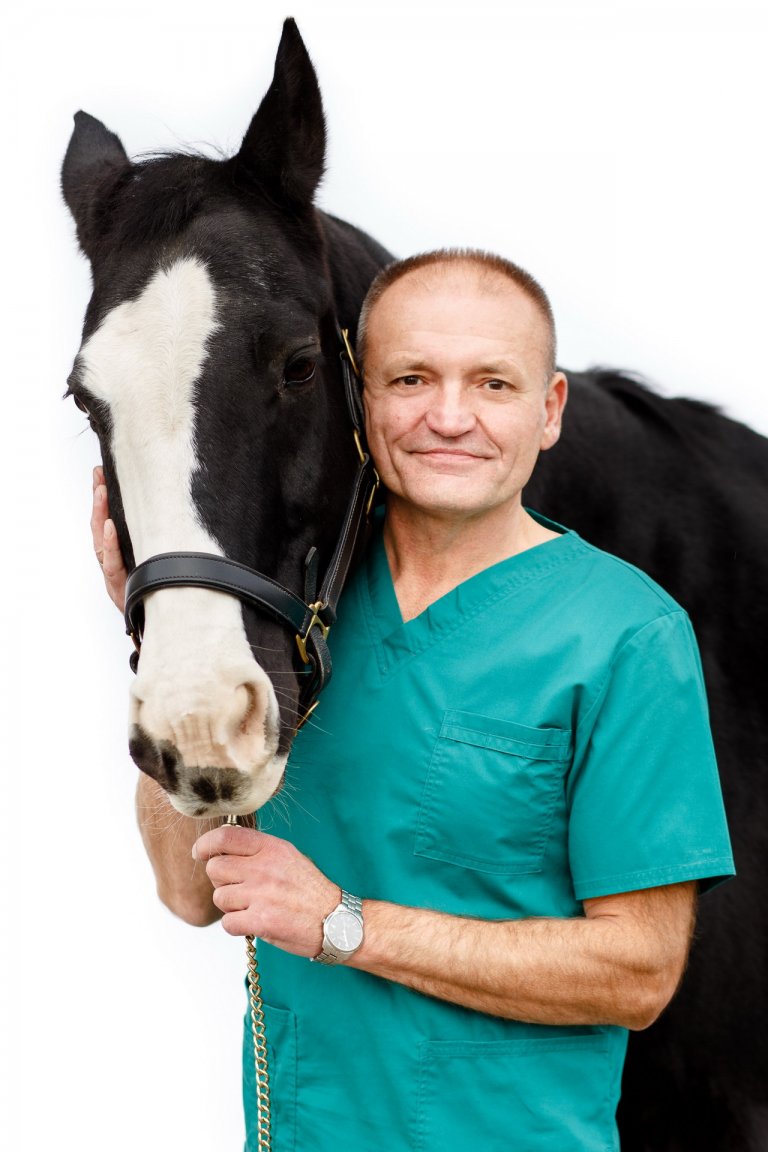
Vytautas Siaurys

Vytautas Siaurys

Jurgita Siauriene

Jurgita Siaurienė

Mantas Eitmanavičius

Rasa Ciparienė

Mindaugas Jachimavičius

Milda Gečiauskienė

Greta Liaukevičiūtė

Žilvija Liutkutė

Žilvija Ikanevičienė

Inga Petrėnienė

Miglė Sujetovaitė

Miglė Sujetovaitė

Marija Špečkauskaitė

Marija Špečkauskaitė

Minijus Montvila

Minijus Montvila

Ieva Kasradze

Ieva Kasradze

Miglė Tamakauskaitė

Miglė Tamakauskaitė

Ema Platužaitė

Ema Platužaitė

Vladas Šanturovas

Vladas Šanturovas

Rasa Rutėnaitė

Rasa Rutėnaitė

Vaida Grimalauskaitė

Vaida Grimalauskaitė

Miglė Liorentaitė

Miglė Liorentaitė

Viktorija Tutinaitė

Viktorija Tutinaitė

Aušra Jančiūtė

Aušra Jančiūtė

Justina Ramanauskienė

Justina Ramanauskienė

Ieva Djakovaitė

Ieva Djakovaitė

Urtė Rimeikytė

Urtė Rimeikytė

Austėja Orintaitė

Austėja Orintaitė

Jovita Eimantaiciene

Jovita Eitmanavičienė

WHEN IS DIALYSIS NECESSARY?

The most common reason is kidney disorders and cases of acute renal insufficiency, which are usually induced by:

  • babesiosis – a disease caused by a tick bite;
  • poisoning with toxins, chemicals;
  • blood infection.

Babesiosis is a very insidious disease. In some cases drug treatment may be sufficient, but if the disease is complicated and timely help is not provided – it can be fatal. After a tick bite, symptoms usually appear a week later:

  • the pet has a high fever;
  • the pet gets sluggish;
  • the pet has difficulty breathing;
  • the pet’s urine changes in colour to a dark brown.


These are signals that the animal needs emergency care.

With babesiosis, pathogens multiply in red blood cells (erythrocytes) and destroy them; this causes inflammation and haemolysis (the destruction of red blood cells, which causes anaemia). Haemoglobin begins to be released and goes into the kidneys, which is why the urine gets darker. If the renal tubules are blocked, the kidneys can no longer perform their basic functions. Anticipating and stopping complications is difficult. If surgical help is not provided, the disease ends in death.
More sensitive breeds for which the probability of complications is increased include: Akita Inu, West Siberian Laika, Siberian Husky and Scottish Terrier. Crossbreeds tend to be more resilient.

One in five pets with babesiosis develops complications. In acute disease, renal insufficiency occurs in 80-90% of animals, in which case only haemodialysis can help save the animal’s life. Before this procedure appeared, babesiosis complications in animals were a death sentence, as the kidneys were irreversibly damaged.

WHAT ARE THE TYPES OF DIALYSIS?  HOW IS THE PROCEDURE PERFORMED?

There are two types of dialysis:

  • Haemodialysis is where a machine with a special filter is connected to clean the blood from unnecessary substances. The blood purification does not take place inside the animal’s body, but outside it, as the blood flows through “artificial blood vessels”. Haemodialysis is an effective form of renal replacement therapy, but it does not completely replace the kidney function. In case of acute onset and rapid progression of renal insufficiency, haemodialysis is done until kidney function begins to improve and they themselves are able to remove harmful substances from the body.
  • Peritoneal dialysis. In peritoneal dialysis, the peritoneum (the membrane lining the abdominal wall) acts as a semi-permeable dialysis membrane, through which unnecessary substances move and fluids are removed. A cleansing fluid called “dialysate” passes through a catheter tube into the abdominal cavity, where it is left for a while so the blood cleansing can take place. Then the fluid is drawn back out of the body and discarded. The procedure is repeated as needed.

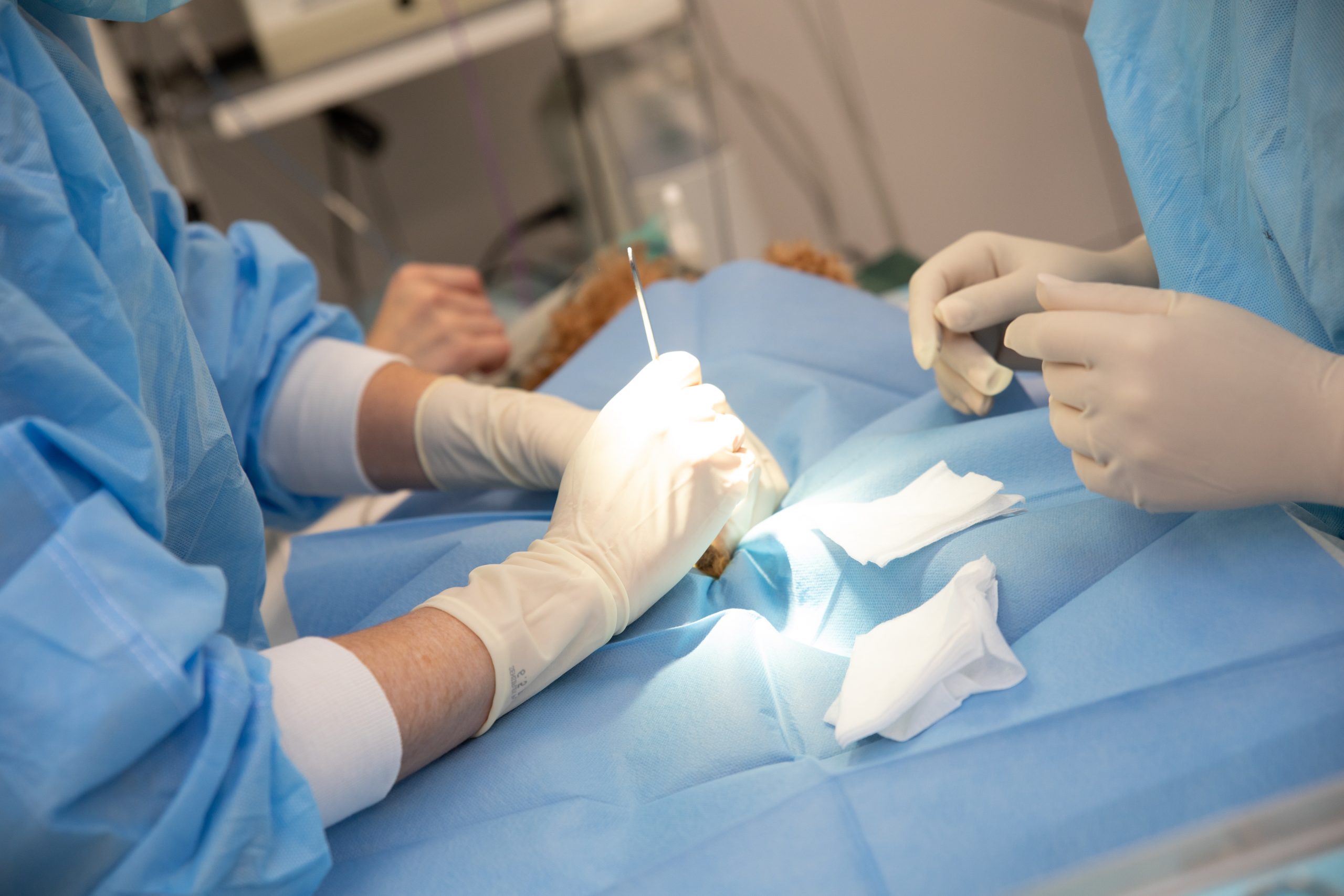
It is important to note that veterinary haemodialysis is much more complicated than human haemodialysis, since the pet must be under general anaesthesia during the procedure. The animal’s body must adapt gradually; at first the procedure takes half an hour, and then is extended after evaluating the indicators. Haemodialysis is only done when there is no other way to save the pet.

We are proud to offer this complex procedure to save the lives of your beloved pets.

Our team

Vytautas Siaurys

Vytautas Siaurys

Jurgita Siauriene

Jurgita Siaurienė

Mantas Eitmanavičius

Rasa Ciparienė

Mindaugas Jachimavičius

Milda Gečiauskienė

Greta Liaukevičiūtė

Žilvija Liutkutė

Žilvija Ikanevičienė

Inga Petrėnienė

Miglė Sujetovaitė

Miglė Sujetovaitė

Marija Špečkauskaitė

Marija Špečkauskaitė

Minijus Montvila

Minijus Montvila

Ieva Kasradze

Ieva Kasradze

Miglė Tamakauskaitė

Miglė Tamakauskaitė

Ema Platužaitė

Ema Platužaitė

Vladas Šanturovas

Vladas Šanturovas

Rasa Rutėnaitė

Rasa Rutėnaitė

Vaida Grimalauskaitė

Vaida Grimalauskaitė

Miglė Liorentaitė

Miglė Liorentaitė

Viktorija Tutinaitė

Viktorija Tutinaitė

Aušra Jančiūtė

Aušra Jančiūtė

Justina Ramanauskienė

Justina Ramanauskienė

Ieva Djakovaitė

Ieva Djakovaitė

Urtė Rimeikytė

Urtė Rimeikytė

Austėja Orintaitė

Austėja Orintaitė

Jovita Eimantaiciene

Jovita Eitmanavičienė

Video, photo gallery

Send us your enquiry

Parašykite mums. Susisieksime su Jumis kaip galima greičiau.