I - V 9 a.m. - 8 p.m.
I - V 2 p.m. - 3 p.m. concilium of doctors
VI - VII 9 a.m. - 5 p.m.
Like in humans, an animal’s eyes are one of its most important sensory organs. The animal’s orientation in the environment and coordination depend on how healthy its eyes are, making them indispensable in everyday life. As owners, it is therefore our duty to take proper care of them and ensure that our pets can enjoy good vision until old age. Preventive tests and examinations that are done in time help avoid insidious cataracts, glaucoma and other diseases.
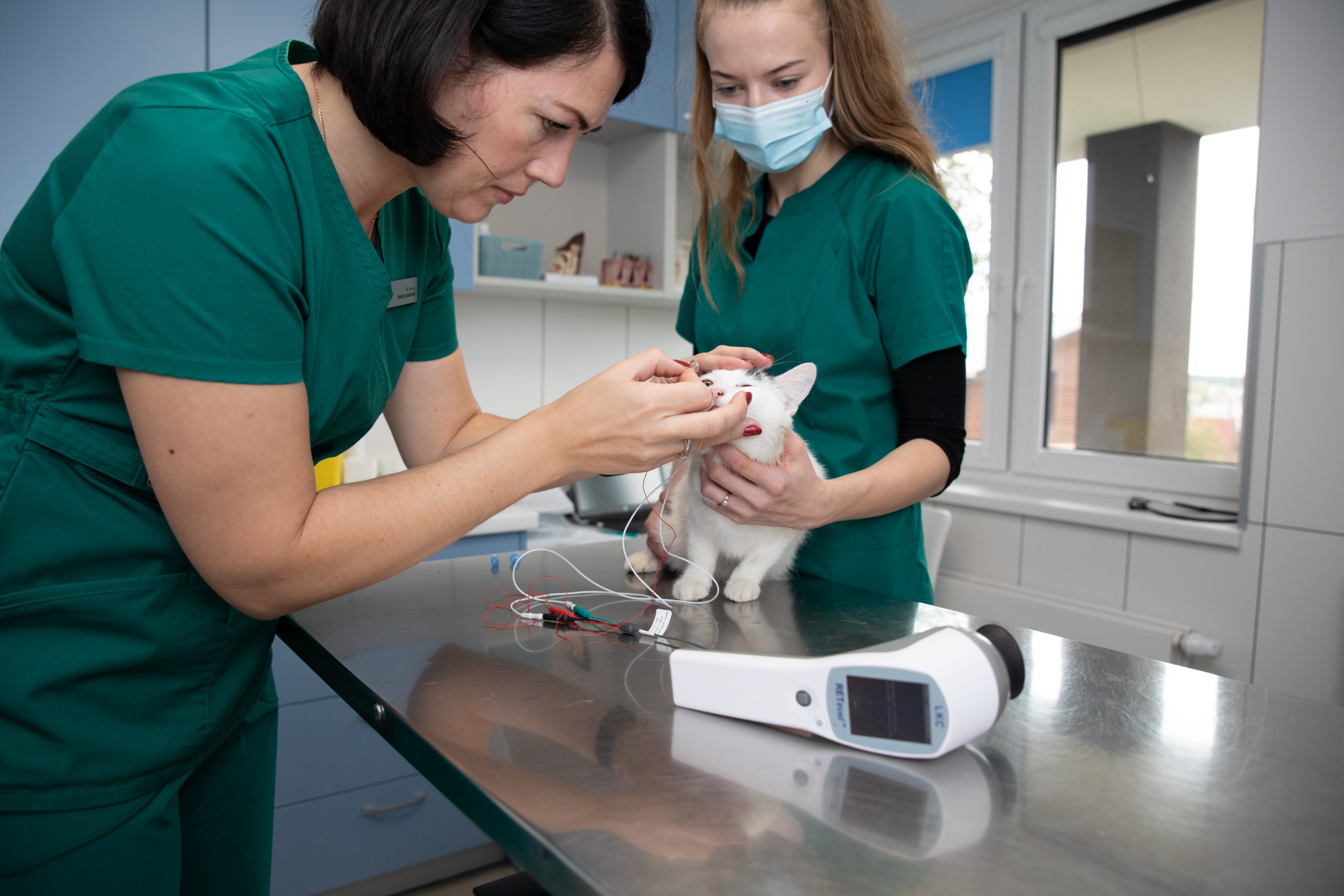
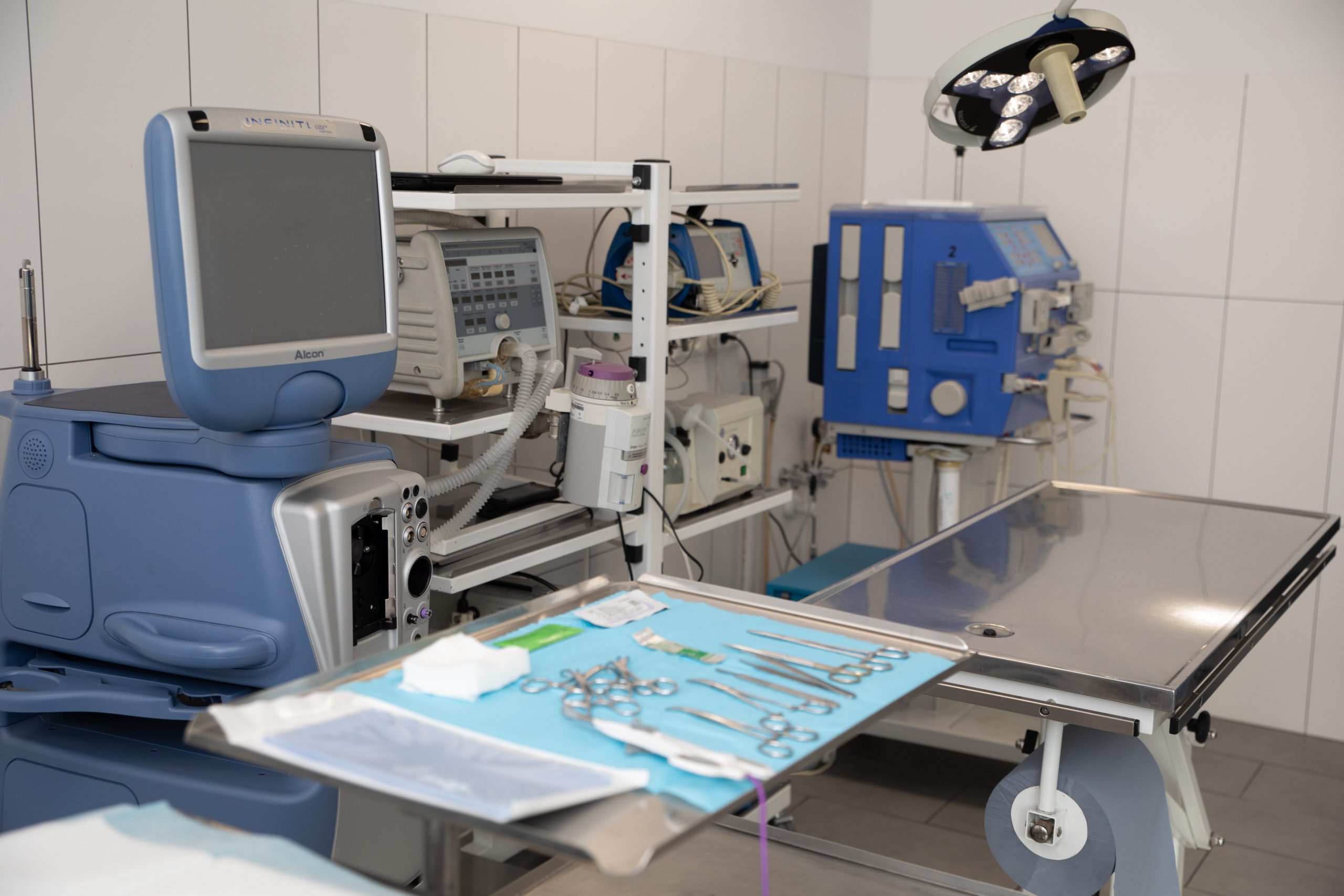
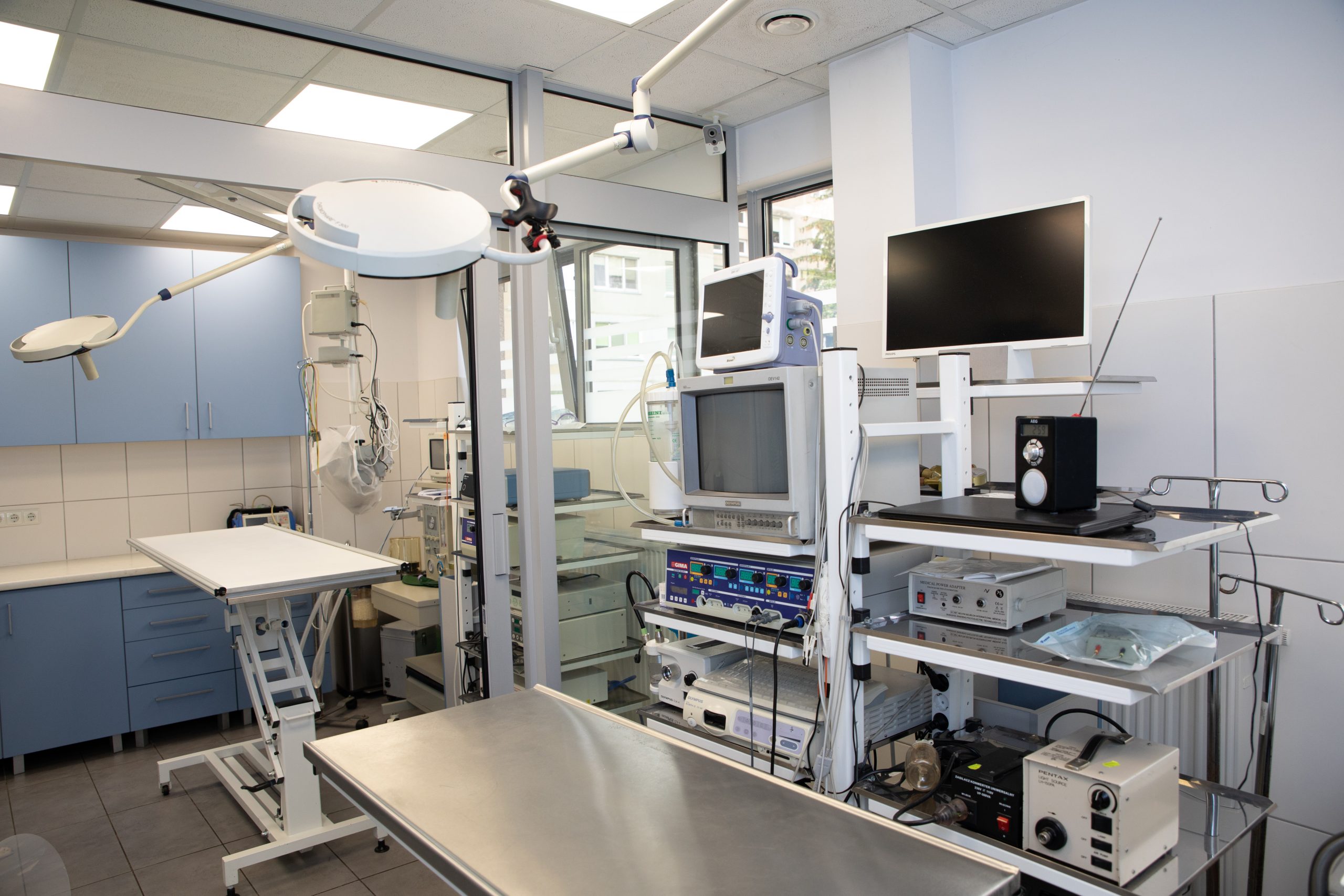
At Siaurio Šnauceris, we have experienced ophthalmologists and cutting-edge equipment for the diagnosis and treatment of eye diseases.
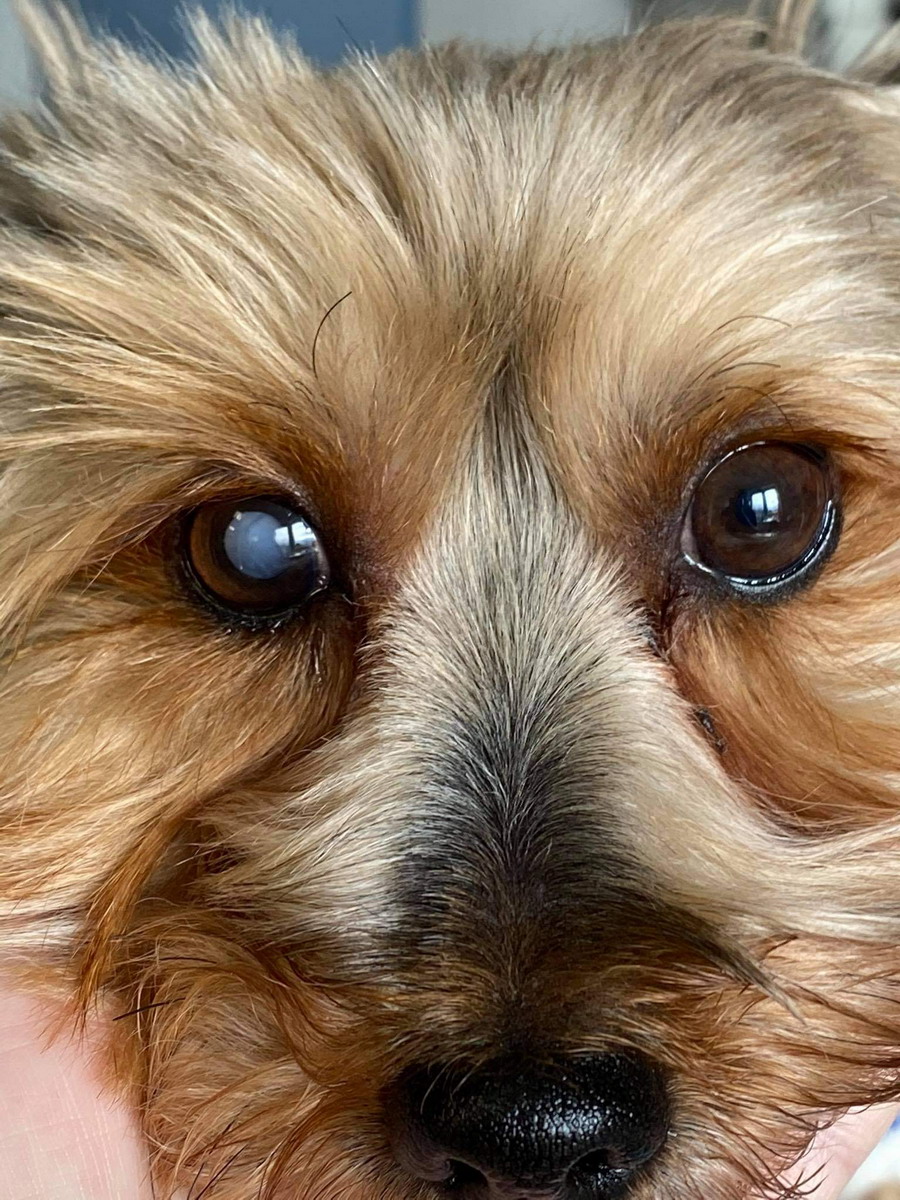
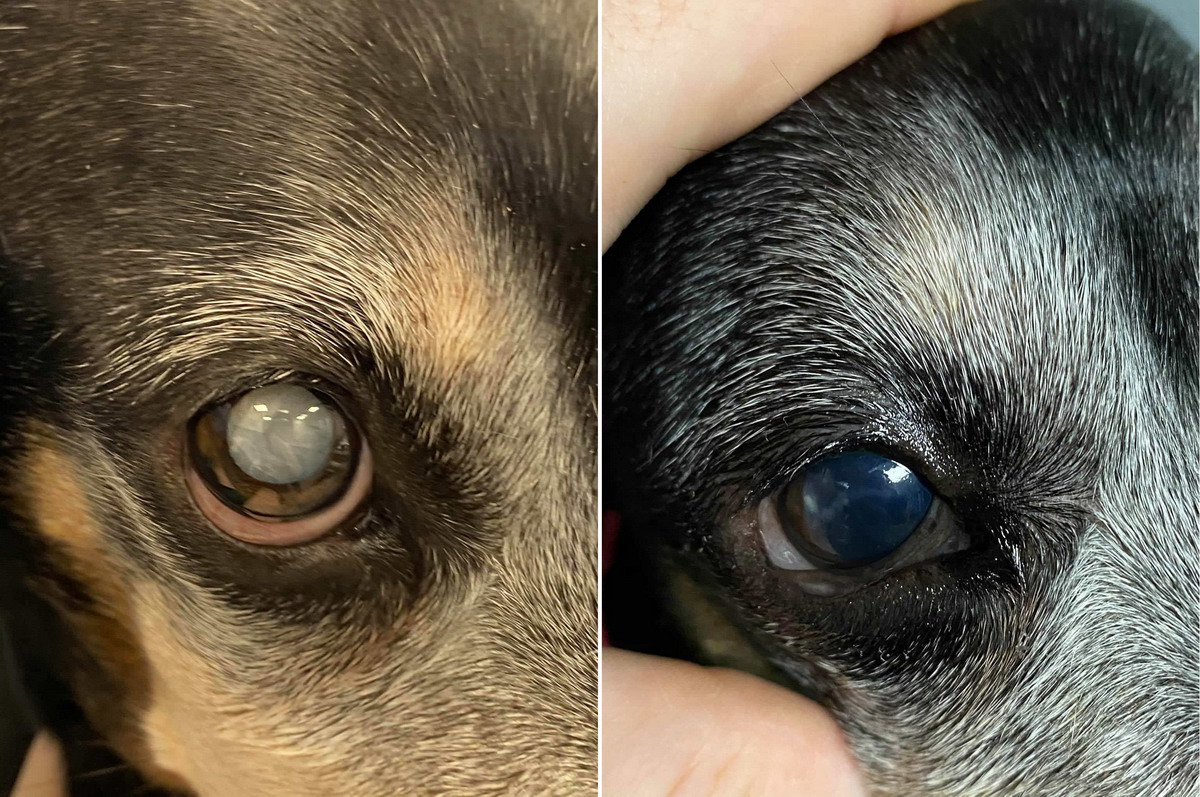
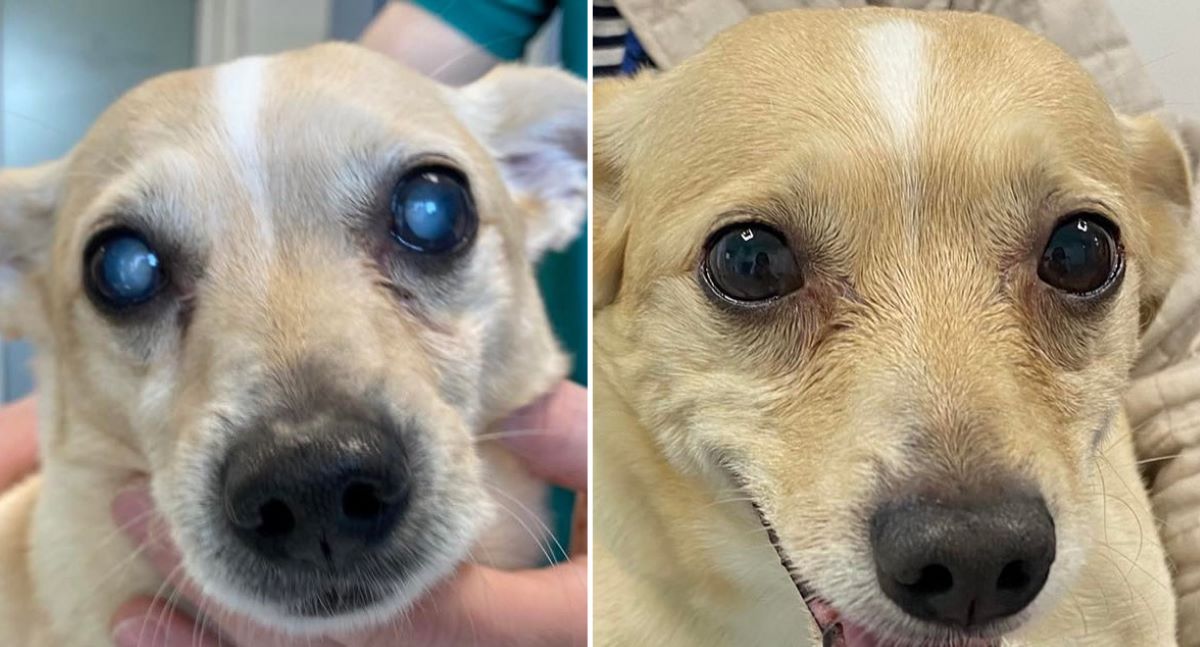
Cataracts are a progressive, usually age-related, change in the lens of the eye, causing a clouding of the natural intraocular crystalline lens that focuses the light entering the eye onto the retina and blurring the animal’s vision.
The main cause of cataracts is genetic inheritance. Toy and small breed dogs (Yorkshire Terriers, Pekingese, Chinese Crested Dogs, Spaniels (Cavalier King Charles, Cocker, English Springer), Miniature Pinschers) are more predisposed to developing cataracts, but cataracts can occur in other breeds as well.
Other causes of cataracts can be:
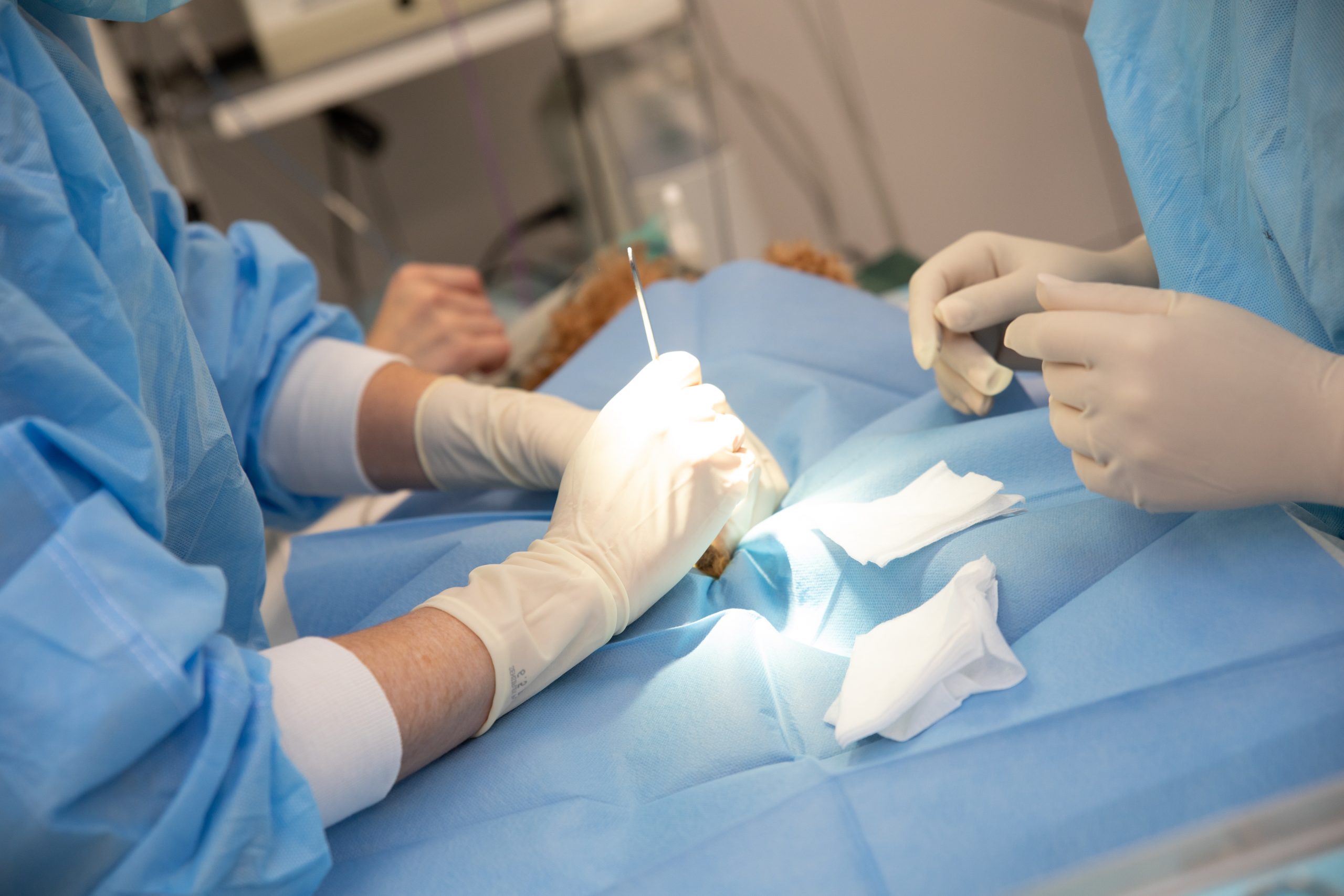
We use a process called “phacoemulsification” to remove cataracts. During the procedure, the cloudy masses of the lens are broken up by ultrasound and emulsified through a small incision of ~2 mm at the edge of the cornea. An intraocular lens implant is then placed into the remaining lens capsule. The post-operative recovery period takes about four weeks.
Before surgical treatment, a thorough clinical examination of the animal must be carried out to rule out concomitant diseases or treat them in order to ensure a better and shorter recovery period.
Unfortunately, cataracts cannot be cured with medication or diet. The only treatment option is surgery.
Initial examination, consultation (examination with an ophthalmoscope, slit lamp, intraocular pressure measurement, fluorescein eye stain) – EUR 40
Intraocular pressure measurement – EUR 10
Slit lamp examination – EUR 10
Schirmer’s test – EUR 10
Fluorescein diagnostics – EUR 10
Ultrasound examination of the eyeball and orbit (1 eye) – EUR 20
Electroretinogram (ERG) – EUR 50
Nasolacrimal duct treatment (1 eye, without sedation) – EUR 15-20
Temporary eyelid correction (1 eye, without sedation) – EUR 20-30
OPHTHALMOLOGICAL SURGERY AND DIAGNOSTICS (with sedation or anaesthesia):
Blepharoplasty (for entropion/ectropion) (1 eye) – EUR 70-150
Blepharoplasty (for trauma/neoplasia) (1 eye) – EUR 80-200
Epicanthoplasty (1 eye) – EUR 70-150
Ectopic cilia removal (1 eye) – EUR 50-70
Surgical treatment of follicular conjunctivitis (1 eye) – EUR 50-80
Surgical treatment of third eyelid gland prolapse (1 eye) – EUR 60-80
Surgical removal of corneal sequestra – EUR 100-150
Surgical treatment of corneal ulcer – EUR 60-100
Prolapse of the eye treatment – EUR 70-100
Enucleation – EUR 100-150
Intraocular prosthesis – EUR 150-200
Iridectomy – EUR 100-150
Extracapsular lens extraction for luxation/subluxation – EUR 200-300
Extracapsular lens phacoemulsification for luxation/subluxation –EUR 350-450
Phacoemulsification (one eye; without artificial lens implantation) – EUR 350-400
Phacoemulsification (one eye; with artificial lens implantation) – EUR 550-600
Preliminary prices are indicated. The specific price is given after evaluating the case of each patient individually
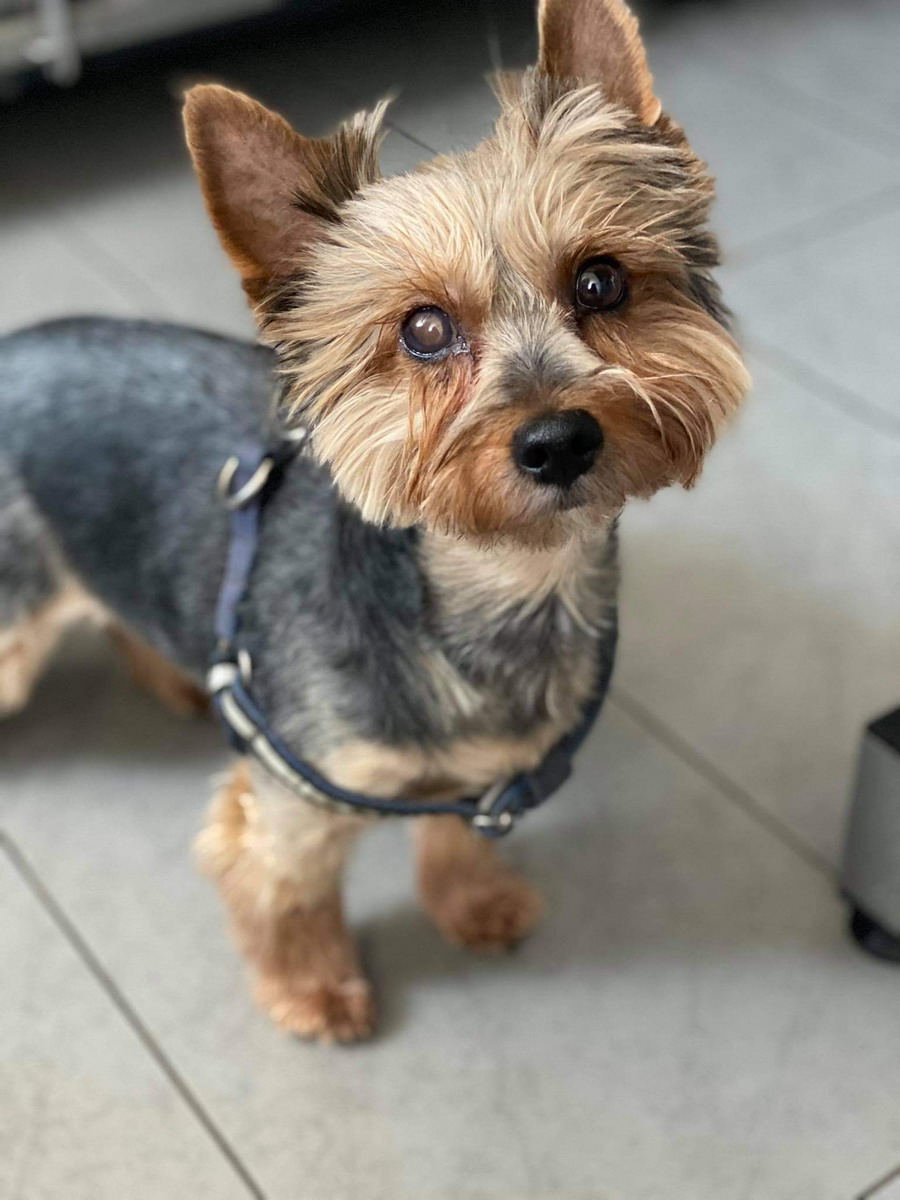
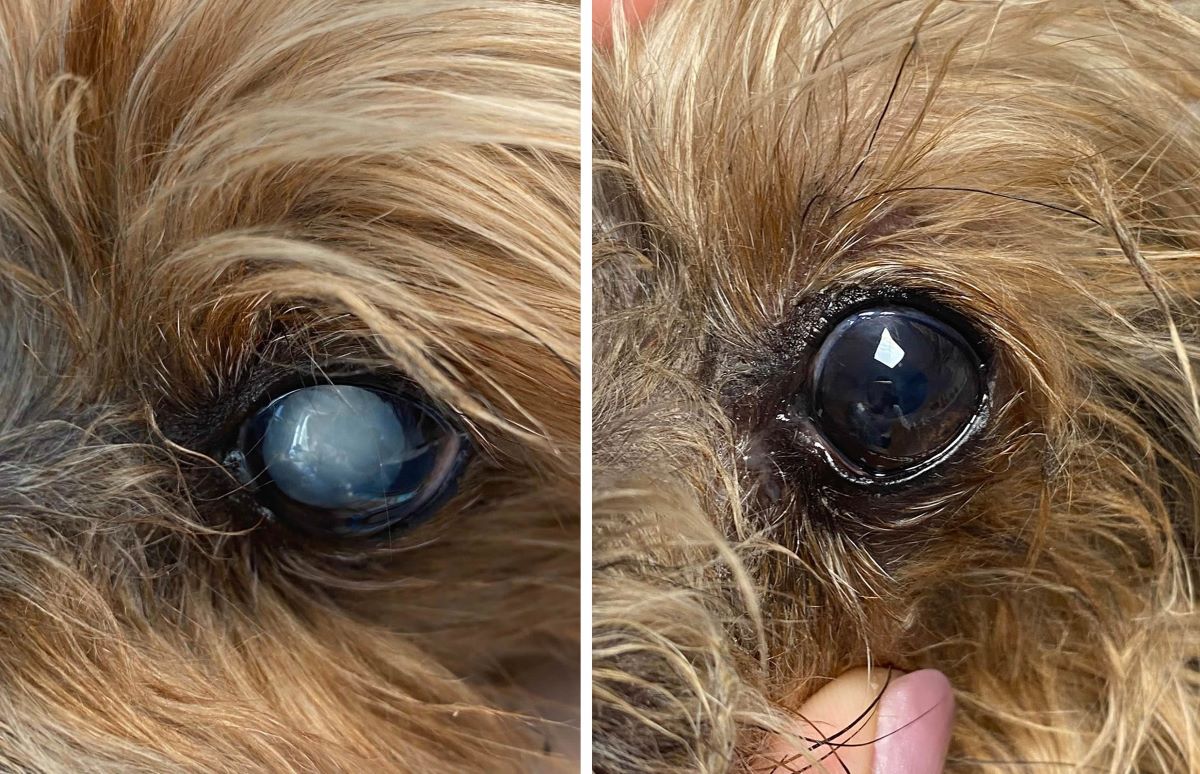
This 5-year-old Yorkshire Terrier was diagnosed with cataracts in the right eye.
Photographed immediately after surgery: